

What went wrong with Ravi Bishnoi at Manchester, and how did he fix it?
By Manas Patil
Ravi Bishnoi had a disastrous outing at Manchester in the second T20I against England, not only because he conceded 60 runs and India failed to defend their total, but also because he bowled three back-foot no-balls. Including the runs off the free hits, those three no-balls alone cost India nearly a tenth of their total. After the 15th over mark, England needed 49 off 24 balls. Then, the 16th over from Bishnoi turned the tide of the game, conceding 29 runs which included two back-foot no-balls each followed by a six off the free hit and England comfortably finished the chase with an over to spare.
Understanding Bishnoi's Action
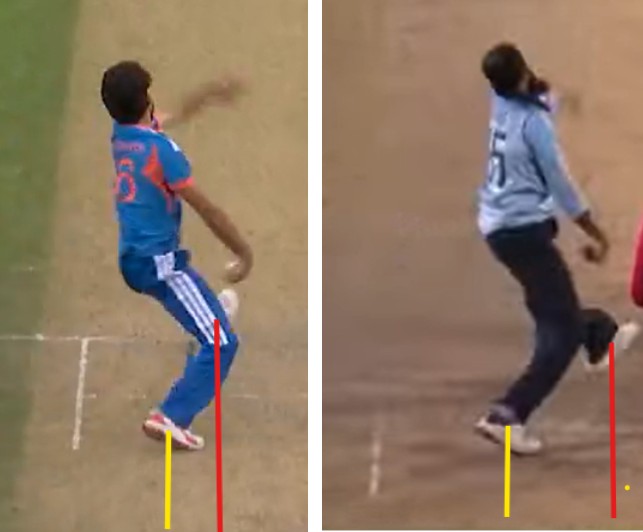
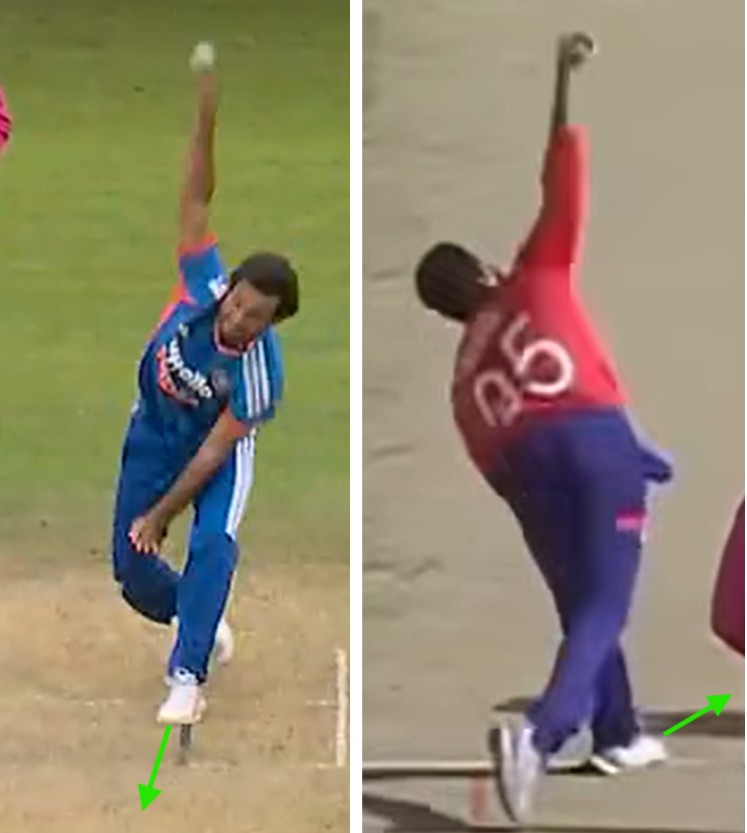
Ravi Bishnoi's primary weapon is his googly as his bowling action is naturally suited for that variation. His release point is relatively close to his right ear because his front foot lands with minimal crossover relative to his back foot, and his front toe points towards the batter rather than fine leg. This alignment makes it easier for him to bowl googly. However, it also makes it relatively more difficult to bowl the conventional leg-break.
Compare that with Adil Rashid. His front foot crosses over more and his front toe points towards fine leg. That alignment allows his bowling arm to release the ball away from his body.
The Shift in Bishnoi's Release Points
Ravi Bishnoi had a poor IPL 2025 with LSG, claiming just 9 wickets in the 11 matches and conceded runs at an economy rate of 10.83. Since then he started to work on his run-up and bowling action. His first appearance in the blue jersey was in the 3rd T20I against New Zealand at Guwahati, where he managed to get two wickets and conceded just 18 runs at an economy rate of 4.50. The change in run-up was evident. It was more of a semicircular or 'C' shaped run-up.
Until 2024 he used to run in a straight line from start towards the batter.
In IPL 2025 there were glimpses of him bowling from wider of the crease, although the run-up still felt straighter.
But now in 2026, he starts with a few steps towards the batter before moving to his left with a small hop, followed by an impulse stride towards his right, to finish with a jump in order to reach near the crease, for delivering the ball.
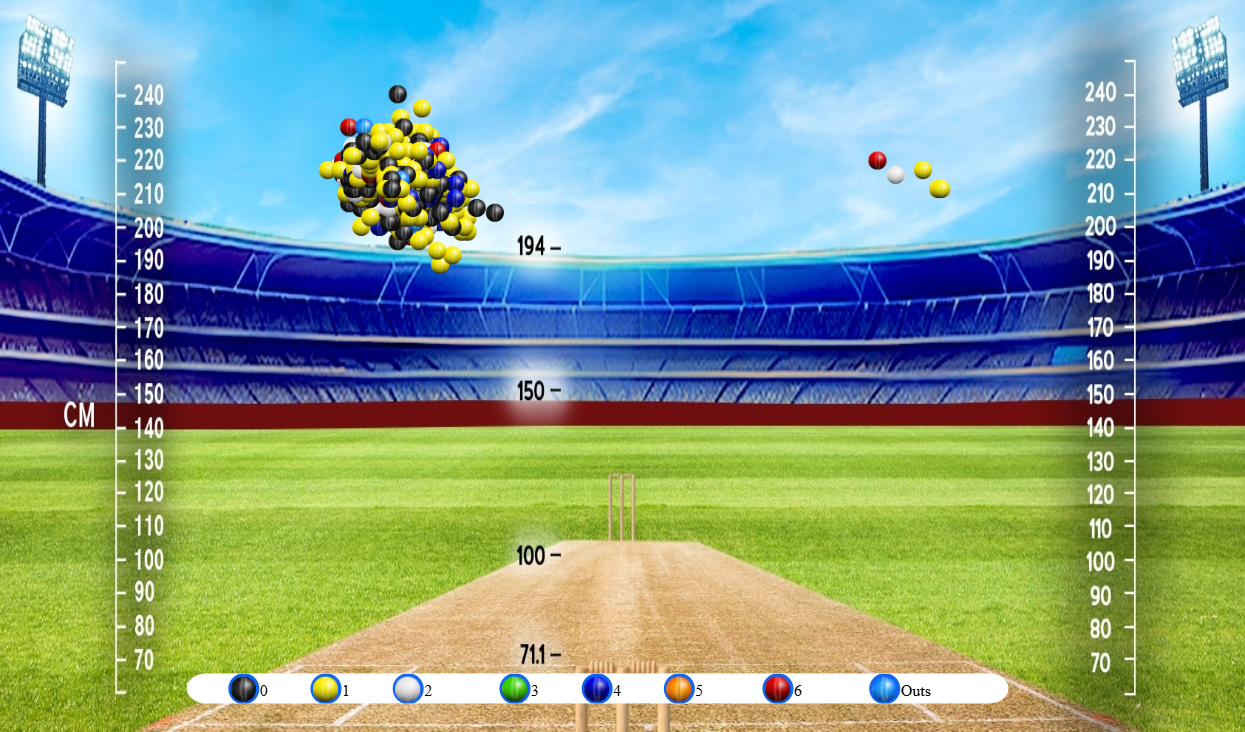
As a consequence, his release points went wide of the crease, and comparing his release points before and after 2025 shows a noticeable change in how far they are from the stumps.
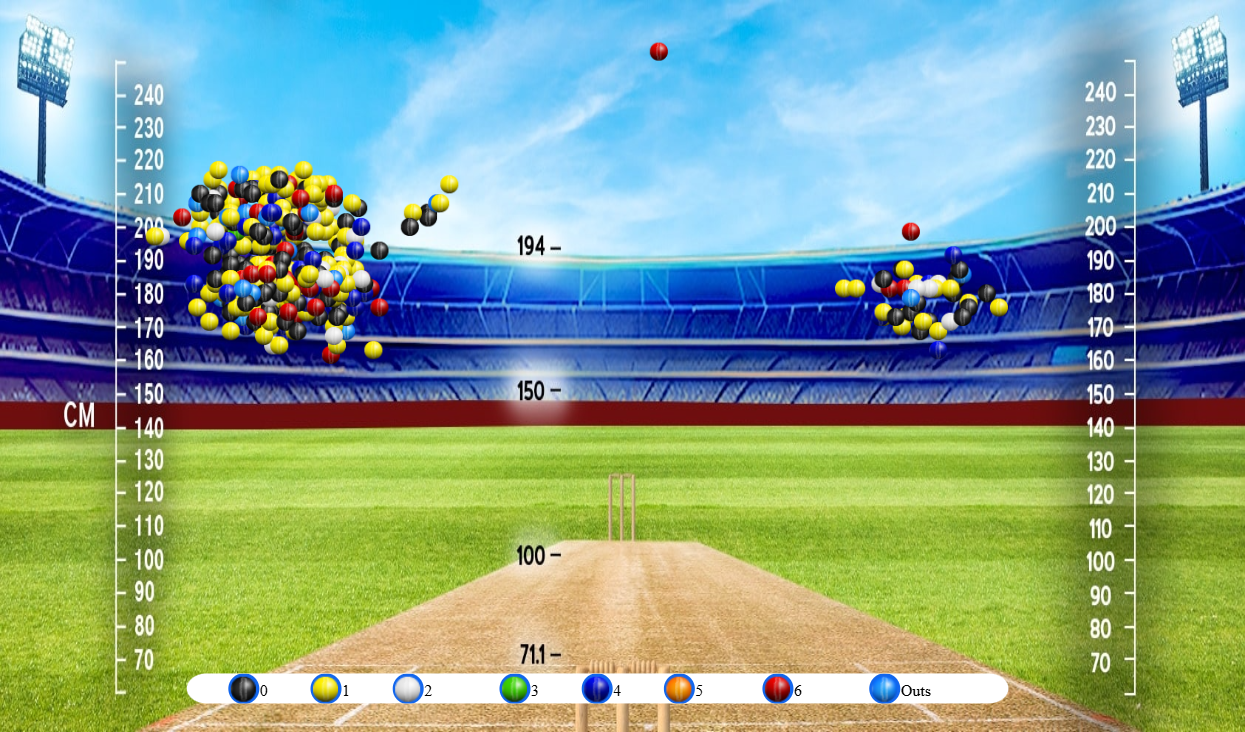
What went wrong in Manchester?
His first ball of the game was a back-foot no-ball, followed with a four on the free-hit. At that time, it felt just like an isolated incident. But his inconsistent back-foot landing spots suggested that something was wrong with his run-up. In his next few overs, he didn't look threatening with the ball, but was somehow managing to avoid cutting the return crease line, before bowling two back-foot no-balls in his last over which completely shifted the momentum in England's favour.
To understand what went wrong with Ravi Bishnoi's run-up, we'll compare it with his run-up in this year's IPL.
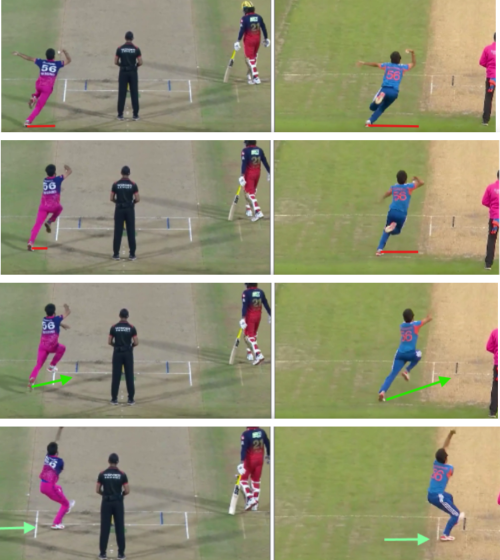
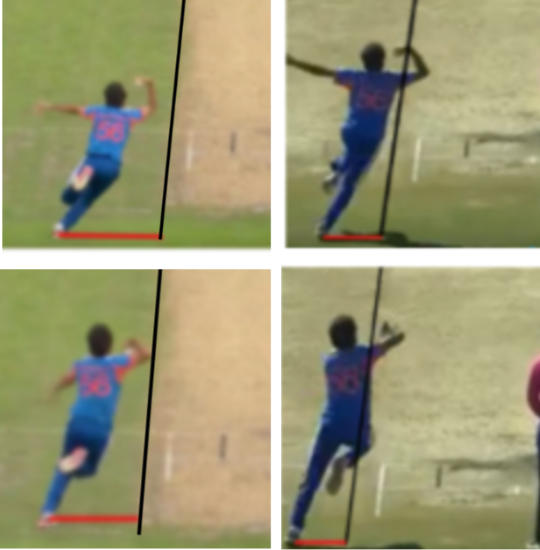
Frame 1 : The first image itself tells a lot about what went wrong. He takes a small hop towards his left, before turning right, and his positioning in relation to the left-most part of the crease suggests that he was far away from the crease.
Frame 2 : The next step was an inward impulse stride, before his main jump. But it was never going to be easy to recover and get closer to his usual line.
Frame 3 : As a result, he had to take a longer jump to get closer to the crease while ensuring his back-foot doesn't cut the return crease which was always going to be a difficult task, when ideally your only focus should be on landing the ball in the intended area.
Frame 4 : This disrupted his rhythm, and he ended up bowling from behind the crease, making it harder to land the ball in his desired spot.
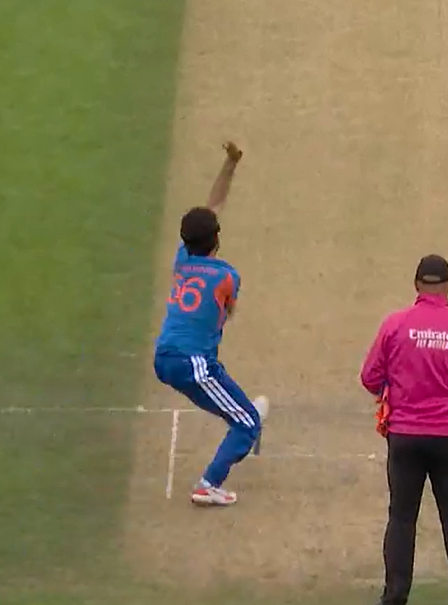
He bowled nearly 10 deliveries where his back foot landed either very close to the return crease line or even behind it. As a result, nearly 50% of the deliveries were short.
Due to this performance he was dropped from the playing XI and didn't get a game in this series. However, Varun Chakravarthy's injury gave him an opportunity to prove a point in the next T20I series against Zimbabwe. But before the start of the series he needed to fix his run-up and back-foot landing position.
How did he fix it?
The first option was to shorten and correct his run-up length so he wouldn't bowl from behind the crease and run in a tighter semicircular arc to avoid worrying about his back-foot landing during the jump.
The second option was to revert to his previous straight run-up.
Given the limited preparation time before the Zimbabwe series, it was expected that he would choose the first one.
He appeared to have corrected his run-up, as his back foot landing was much more consistent and closer to the crease than it had during the England series. That said, there still appears to be some scope for further improvement.
More importantly, he also started running closer to the pitch, taking a smaller semicircular arc. This reduces the chances of cutting the return crease. As a result, he could focus more on executing his deliveries and hitting his desired areas rather than worrying about where his back foot would land.
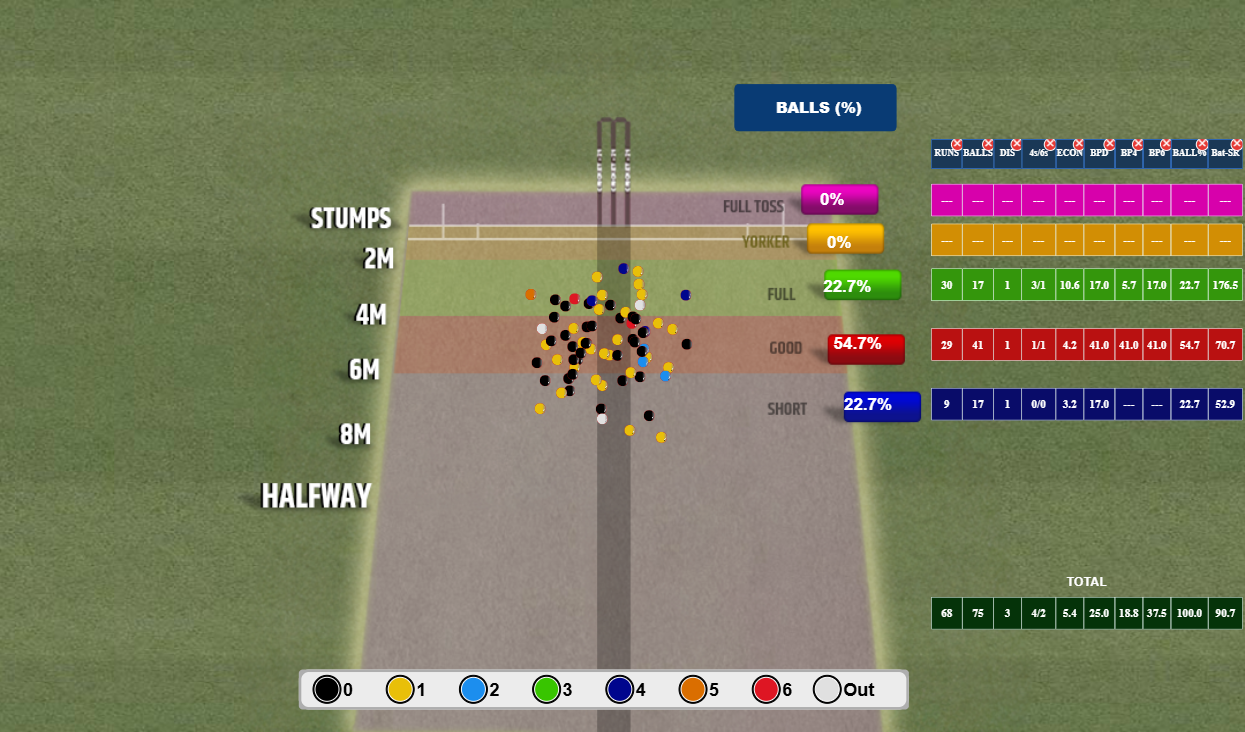
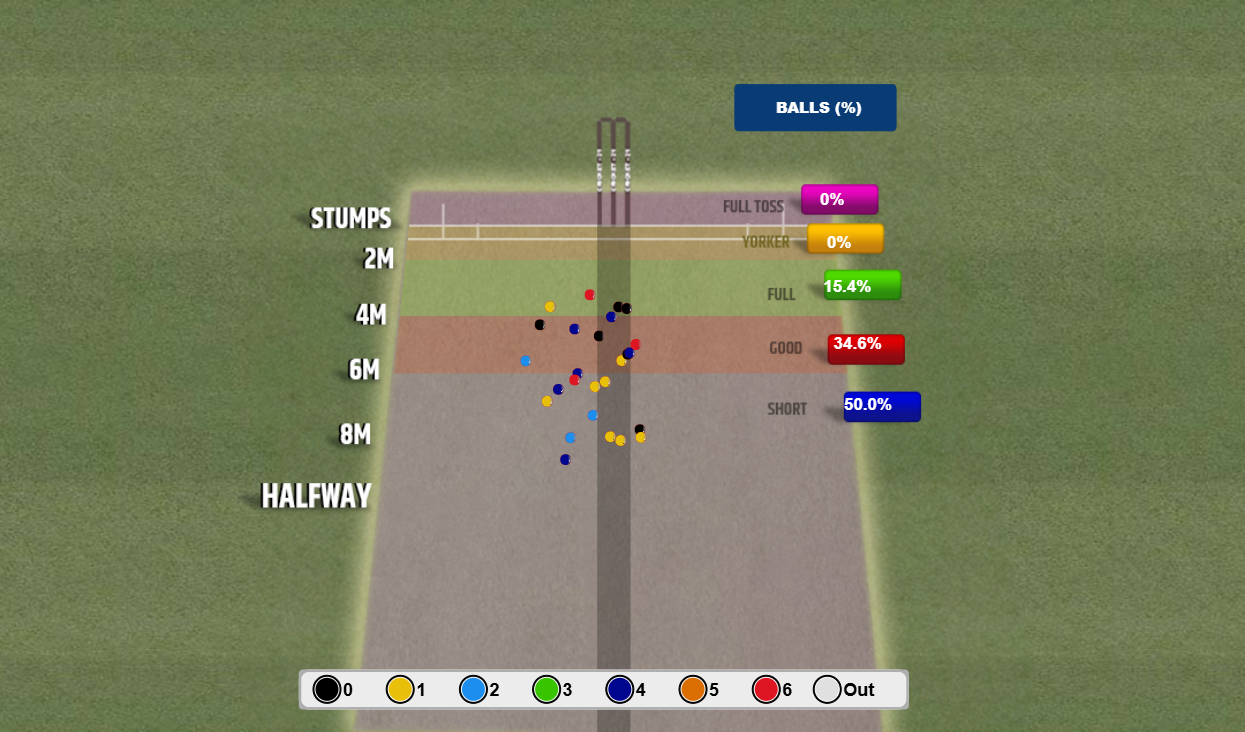
The length distribution pitch map highlights how correcting his run-up helped him land the ball in the desired area consistently. Nearly 55% of his deliveries pitched on a good length during this series, while batters recorded strike rates of just 70.7 against good length and 52.9 against short deliveries. Another encouraging sign was the way he varied pace throughout the series, particularly against left-handed batters.
Although the performances came against Zimbabwe, there were plenty of encouraging signs. Hopefully, he continues to refine his action and settles on an approach to the crease that gives him the best rhythm and allows him to consistently hit his intended areas. With India having limited wrist-spin options, Ravi Bishnoi has a great opportunity to strengthen his case during the upcoming Asian Games.