

The Technical Adjustment Behind Virat Kohli's 2nd ODI Success
By Manas Patil
Why was the change needed?
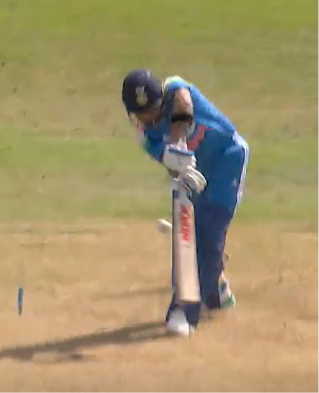
In the first ODI, all eyes were on the battle between Virat and Archer. Archer started with a good length delivery that Virat left, followed it with a bouncer which Virat pulled for a four although he wasn't completely in control of the shot, and then a fuller delivery which resulted in an LBW dismissal.
It seemed as if the previous short pitched ball had an influence on it, felt like his weight stayed on the backfoot and he didn't expect the following delivery to be fuller and played across the line.
The previous dismissal always stays in the mind of every batter, same was the case with Virat. He knew that England's bowlers would look to target his front pad in the next game so he had to be prepared for it.
How did he prepare to counter this plan?
To prevent his front foot from coming across and play across the line, he adjusted his stance to a slightly more open stance and changed his guard from middle stump to leg stump, which helped not only prevent his front foot from coming across but also allowed his bat to come down in a straighter path which helped him to score easily from mid-off the mid-on region rather than accessing mid-wicket to square-leg region where chances of an LBW increases due to the bat face getting closed while executing strokes in that region.
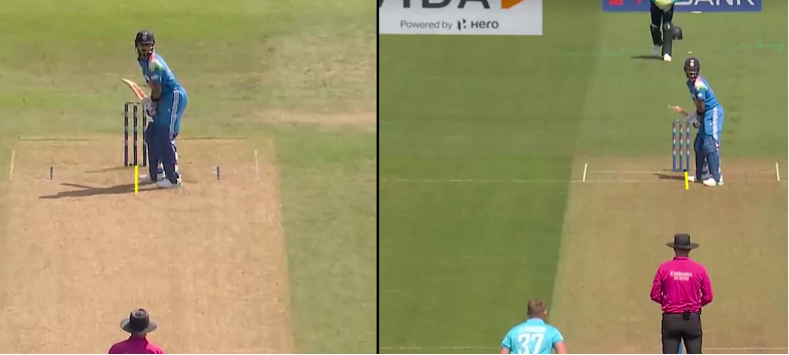
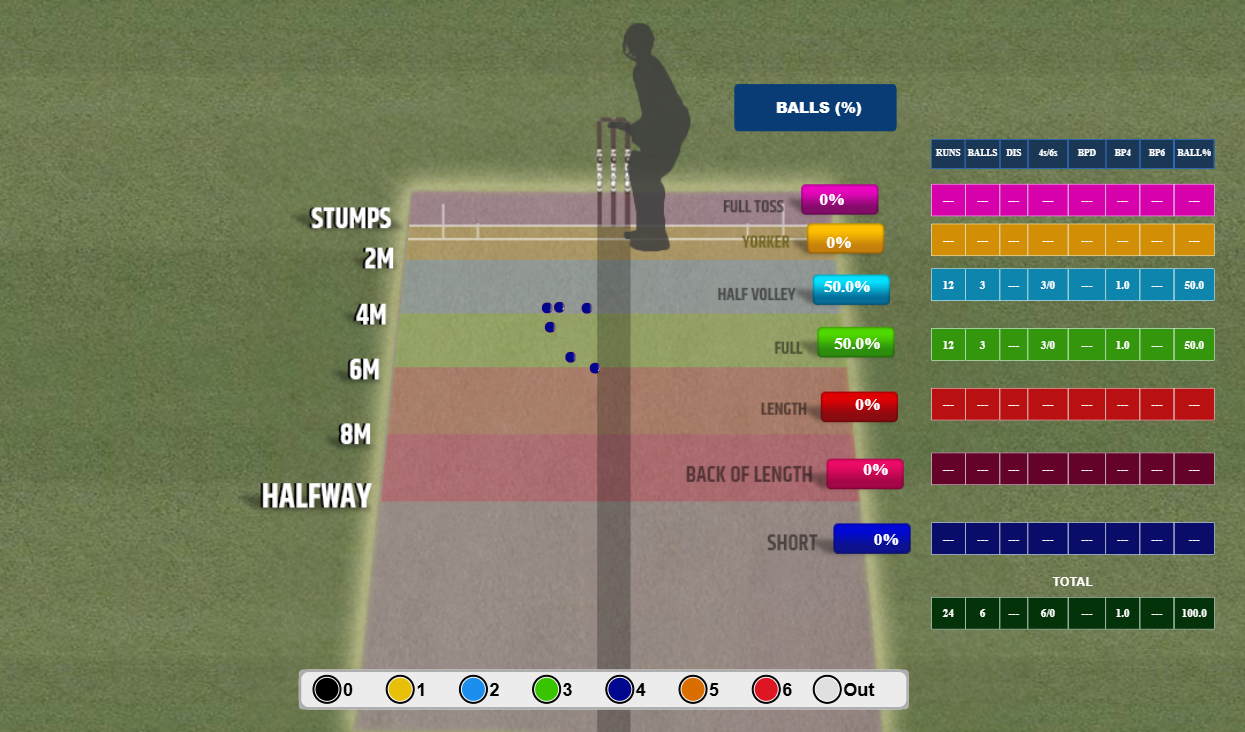
Atkinson and Archer, both initially tried to target his front pad but this time Virat found it easier to defend and score straight down the ground with full face of the bat and managed to hit 6 boundaries on fuller length deliveries, straight drive being his most productive shot in this innings.
Since, on this surface the ideal wicket-taking length was not full but back-off-length (8-10m) and short (10m+) due to the double pace and double bounce nature on this surface, prompting England's bowlers to switch to plan B.
How does the same adjustment help against the short ball?
Back-off-length and short balls were going to be the line of attack considering how the wicket was playing. Batters were forced to play pull and hook shots but it wasn't easy to have control on these strokes.
In this innings, Virat faced 27 deliveries from back-off-length and short, and scored 22 runs with an impressive 88.9% control.
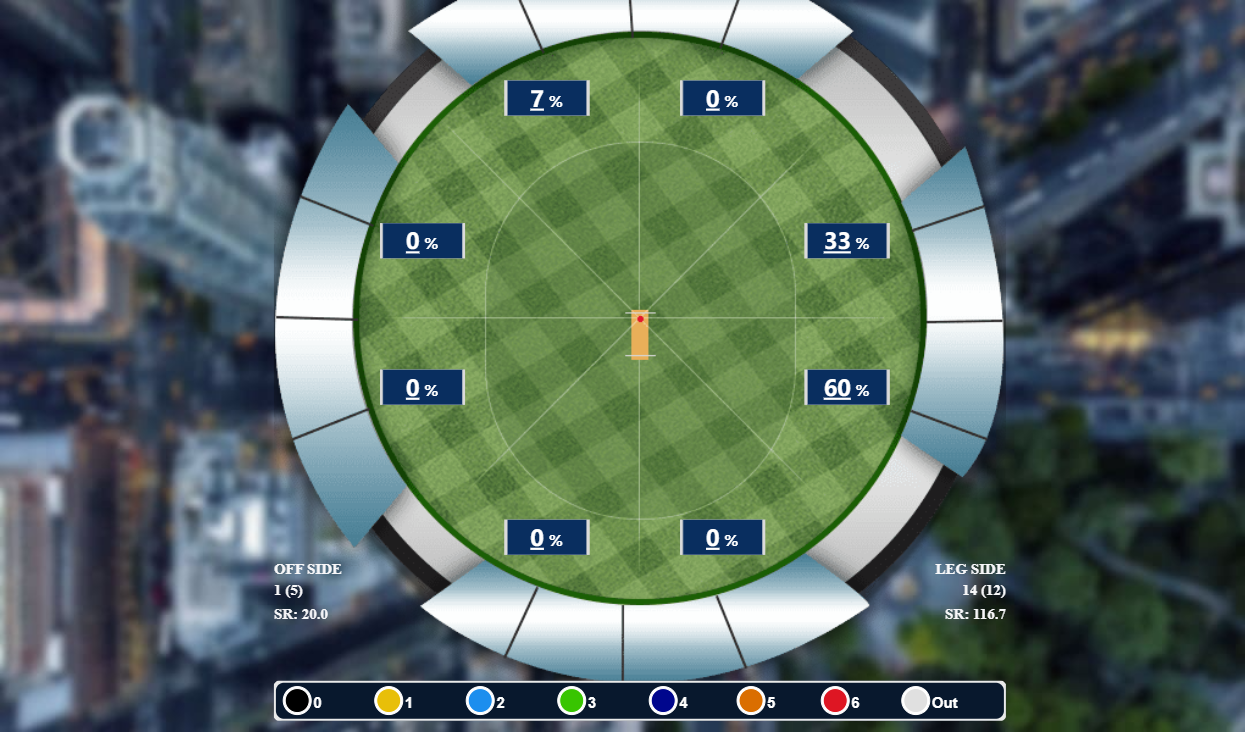
His open stance and backlift originating from 3rd slip helped him to play pull shots in front of the square with nearly 75% control and was his second most productive shot. His wagon wheel based on region against pace on back-off-length and short deliveries displays his control to play the pull strokes in front of the square.
What should have been the plan?
On a wicket which had double pace and double bounce, back of length and short pitch deliveries became difficult to hit with control. But considering the fact that Virat had made an adjustment in his stance and was finding it easier to play pull stroke in front of square on leg side, the opponent pace bowlers should have forced him to play more on cover-point region by bowling more outside off on back off length and short deliveries.
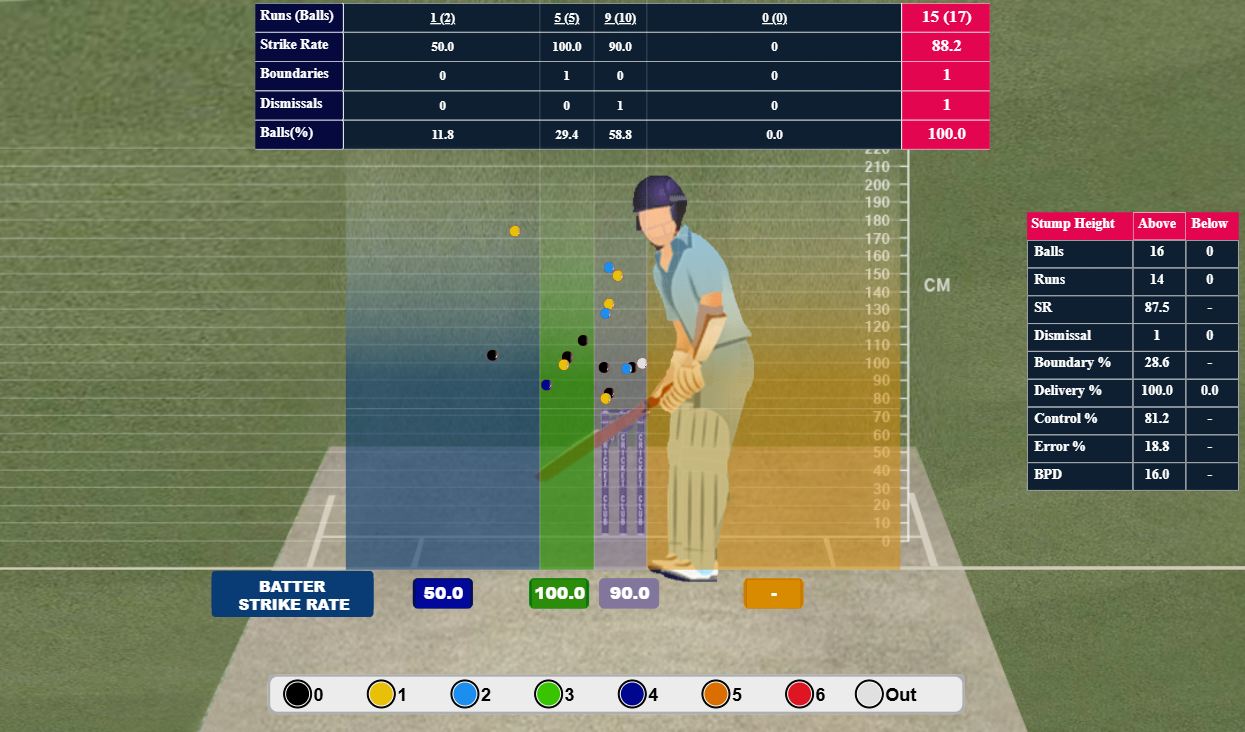
Despite the fact that Virat doesn't play backfoot shots enough, with his changed backlift due to the open stance he would have found it difficult to open his bat face and score in that region.
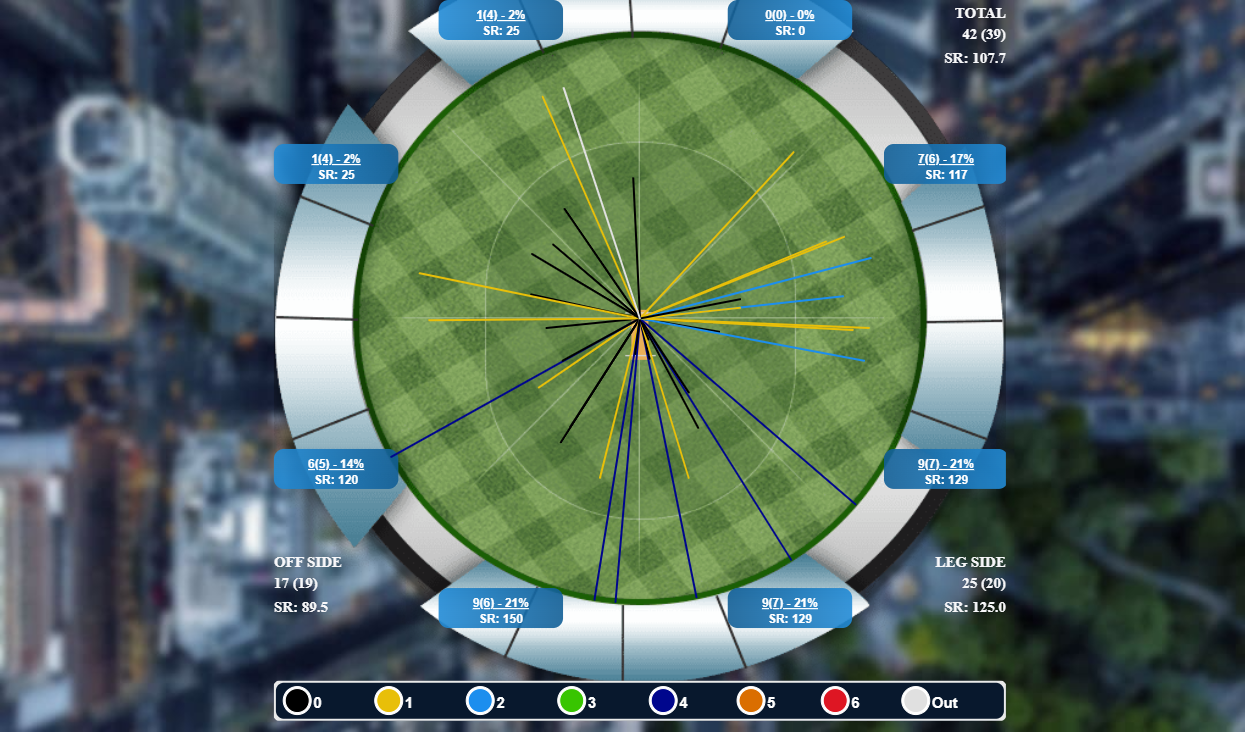
His wagon wheel also validates this point, he scored just 2% of his runs in cover-point region against pace bowlers.
Conclusion
Virat Kohli's second ODI innings was a reminder that small technical adjustments can have a significant impact when it addresses opposition's plans. A batter who has achieved nearly everything in his career is not afraid of making changes just after one failure, reflecting the hunger of the player to perform in every game and the willingness to evolve and adapt according to the conditions.
What's particularly interesting is how a single technical adjustment ended up solving multiple problems. It not only reduced the LBW threat by allowing him to access the ball with a straighter bat path, but also improved his ability to control back of length and short pitched deliveries on a surface offering double pace and double bounce.
From a bowling perspective, this innings also highlights the importance of identifying such technical adjustment as quickly as possible. Once a batter changes his method to counter your plans, you have to come up with different plans and adapt accordingly. At this level, success isn't just about executing your plans, it's also about recognizing when that plan has stopped working. The contest is purely about which team adapts better and faster.